
Vintage Second-Hand Fashion Shaping Modern Style
Fashion is changing. Consumers are no longer asking “What’s new?” but instead “What’s worth buying?” As sustainability concerns rise alongside retail prices and trend fatigue, vintage and second-hand fashion have moved from niche resale racks into the center of modern style culture.
Once viewed as alternative or budget-driven, resale is now a mainstream fashion movement, a business strategy, and a cultural shift. From curated vintage boutiques to global online platforms like Depop, Poshmark, and The RealReal, second-hand shopping is redefining how people dress, express individuality, and participate in the fashion industry. What once felt like a subculture has now become a major economic force that appeals to everyone from students to luxury shoppers.
This blog explores what vintage and second-hand stores are, why they matter today, and how they are shaping the future of fashion through sustainability, affordability, identity, and innovation.
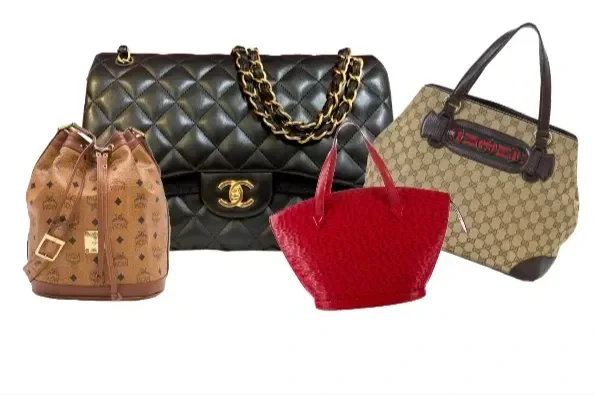
Vintage pocketbooks
Image via Houstonia
What Are Vintage & Second-Hand Stores?
Although often grouped together, vintage and second-hand fashion serve slightly different roles in the resale ecosystem.
Vintage stores focus on older, carefully curated garments, typically pieces that are at least 20 years old and valued for their historical, stylistic, or cultural significance. These items often reflect specific fashion eras, craftsmanship techniques, or social movements. A 1970s leather jacket, a 1950s circle skirt, or a 1990s designer bag each holds a story about the world it came from. Many vintage store owners restore or style pieces to highlight their uniqueness, turning shopping into both a creative and educational experience.
Second-hand or resale stores sell pre-owned clothing from more recent decades. These garments are usually donated or resold by individuals and can range from everyday basics to premium designer pieces. Second-hand fashion allows clothing to move through multiple closets instead of being discarded, giving each piece a longer life and reducing its environmental footprint. For many shoppers, resale is a more accessible and affordable way to discover quality fashion.
In simple terms:
Vintage emphasizes history, rarity, and design legacy
Second-hand emphasizes reuse, value, and accessibility
Both models share a common goal: keeping garments in circulation and reducing demand for new production.
Why Vintage & Second-Hand Matter in Fashion Today
The modern fashion industry produces more clothing than consumers can reasonably wear, leading to enormous amounts of waste. Second-hand fashion directly challenges this system by putting existing garments back into circulation.
Resale slows fast fashion by encouraging consumers to buy what already exists instead of supporting constant overproduction. Rather than chasing trends that may be worn only a few times, resale promotes longevity and intentional purchasing. This shift is especially important as consumers become more aware of the environmental and ethical issues tied to fast fashion supply chains.
Younger consumers, especially Gen Z, are driving this shift.
They are prioritizing:
Sustainability and ethics
Individuality over mass trends
Affordability amid rising retail prices
Shopping second-hand is no longer considered “alternative.” It is now a normal, socially accepted, and even fashionable way to shop. On TikTok and Instagram, “haul culture” has evolved into “thrift hauls,” where people proudly showcase second-hand finds rather than brand-new purchases. The resale aesthetic has become a trend of its own.
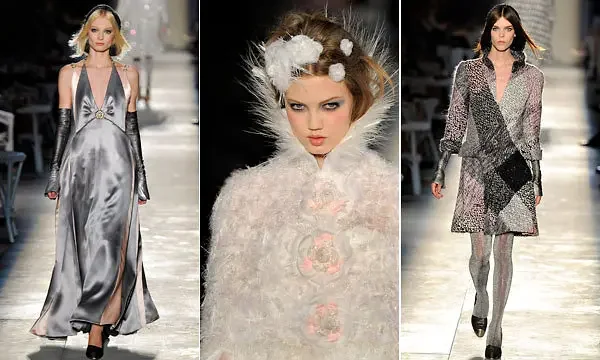
Vintage Chanel on runways: vintage has become so important in fashion today.
Image via The New York Times
Sustainability & Environmental Impact
One of the strongest arguments for second-hand shopping is its environmental benefit. Fashion is one of the most resource-intensive industries in the world, contributing to pollution, excessive water use, and textile waste. Every garment that is resold or thrifted delays the need for a new one to be produced.
Buying second-hand helps reduce:
Textile waste sent to landfills
Water and energy used in production
Carbon emissions tied to manufacturing and transport
Research shows that extending a garment’s life by just nine months can reduce its environmental impact by up to 30 percent. This makes resale one of the simplest and most effective sustainability actions available to consumers. Even one purchase, a second-hand sweater instead of a new one, saves resources and prevents unnecessary waste.
Second-hand fashion also supports a circular fashion economy, where clothing is reused, repaired, and resold instead of discarded. As more shoppers embrace circular practices, brands are being pressured to improve transparency, source responsibly, and create products designed to last longer.
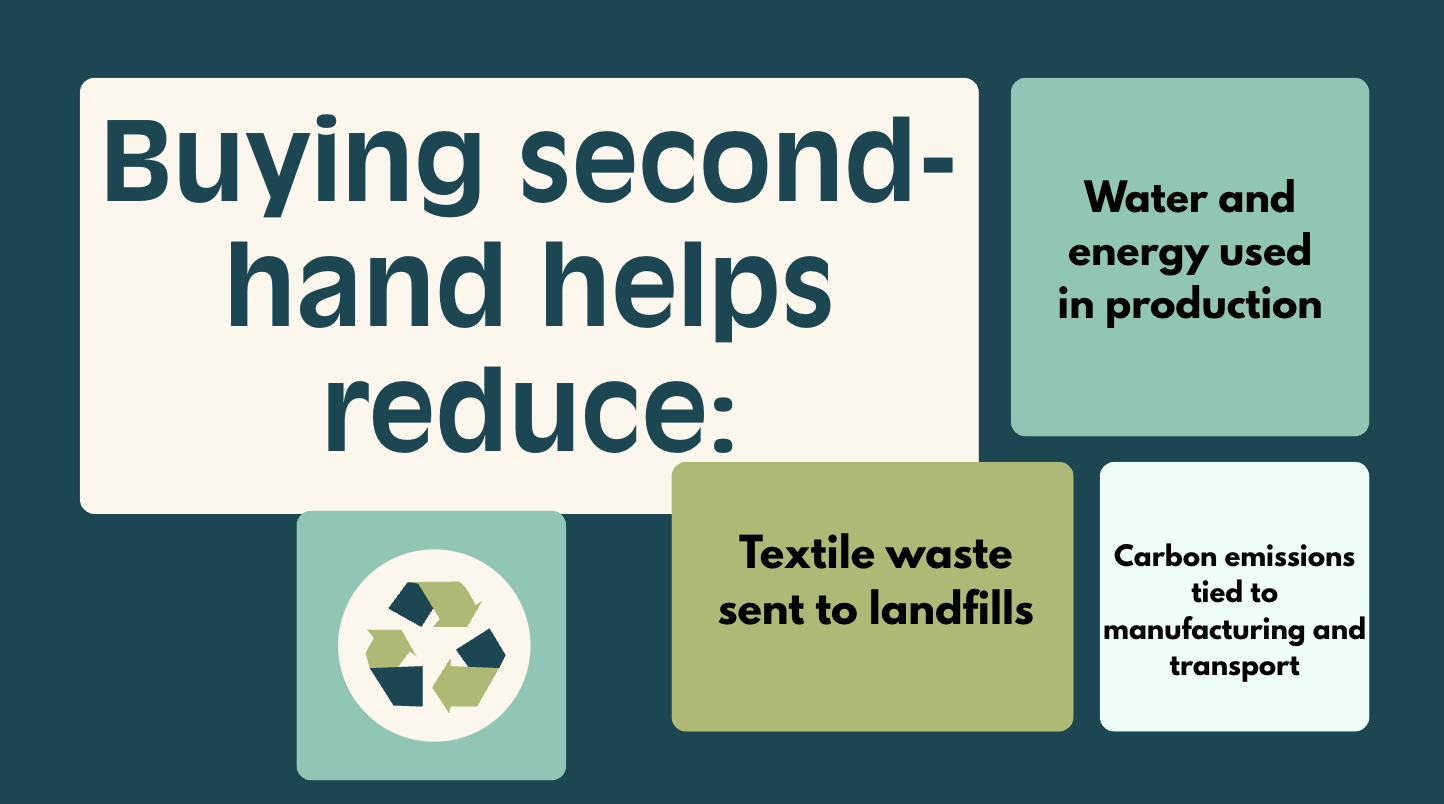
Buying second hand is beneficial in many ways.
Image by Alexandra Oakland via Canva
Unique Style & Personal Identity
Vintage and second-hand fashion offer something modern retail often cannot: originality.
Vintage pieces are frequently one-of-a-kind, making it unlikely that someone else will be wearing the same item. This allows shoppers to build wardrobes that feel personal and expressive rather than trend-driven. Wearing a rare 1990s Prada slip dress or a hand-beaded 1960s blouse feels more meaningful than buying a fast-fashion replica.
Second-hand fashion also encourages creativity. Instead of buying pre-styled outfits, shoppers mix eras, designers, and aesthetics to create looks that reflect their identity. This process often leads to more thoughtful styling, since each item carries its own character and history.
Key reasons shoppers turn to resale for style:
Unique pieces not found in malls
Freedom to experiment across decades
Less pressure to follow fast-moving trends
As a result, fashion becomes more individual, expressive, and meaningful. Shoppers gain confidence knowing their outfits cannot be easily replicated.
Affordability & Accessibility
As prices rise across both fast-fashion and luxury markets, second-hand stores offer an important alternative.
Resale allows consumers to access higher-quality garments, often made with better fabrics and construction at significantly lower prices. Designer coats, denim, handbags, and shoes are frequently available second-hand for a fraction of their original retail cost. This gives shoppers access to brands they might not otherwise afford.
This affordability makes fashion:
More inclusive
More accessible
Less dependent on disposable income
Second-hand shopping proves that good style does not require a high price tag. It simply requires patience, curiosity, and a willingness to discover.
Affordability and accessibility in fashion is very important.
Image by Alexandra Oakland via Canva
Business & Cultural Impact of Resale Fashion
The resale industry has become one of the fastest-growing sectors in fashion. Digital platforms such as Depop, Poshmark, ThredUp, and The RealReal combine technology, community, and commerce in new ways. These platforms have turned everyday users into sellers, stylists, and entrepreneurs.
These platforms succeed because they:
Encourage peer-to-peer selling
Use personalization and social engagement
Appeal to sustainability-focused consumers
Beyond online platforms, physical vintage stores often act as cultural centers. They reflect local history, showcase independent designers, and support small businesses. Vintage shops help preserve fashion history while allowing new generations to reinterpret it.
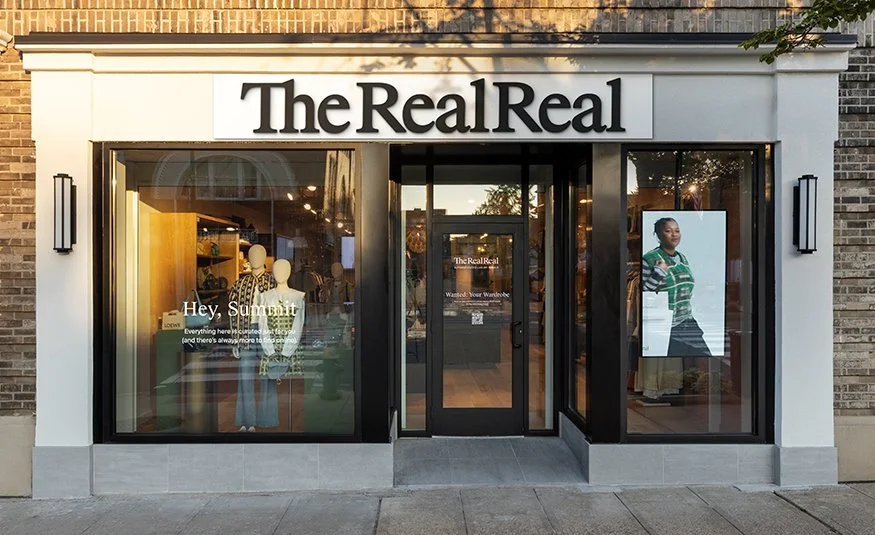
TheRealReal is a very famous platform in resale fashion.
Image via NJBIZ
The Future of Vintage & Second-Hand Fashion
Resale is no longer “alternative.” It is becoming essential to the fashion industry’s future.
Many major brands are launching their own resale or recommerce programs, allowing customers to buy and resell products within the brand ecosystem. These programs extend garment life, strengthen brand loyalty, and help companies meet sustainability goals. Examples include Patagonia Worn Wear and Levi’s SecondHand.
Looking ahead, second-hand shopping will continue growing because:
Sustainability expectations are increasing
Apparel prices remain high
Consumers prefer intentional consumption
More importantly, resale aligns with how younger shoppers want to express themselves,thoughtfully, authentically, and sustainably. Second-hand fashion is becoming both a personal style choice and a long-term industry solution.
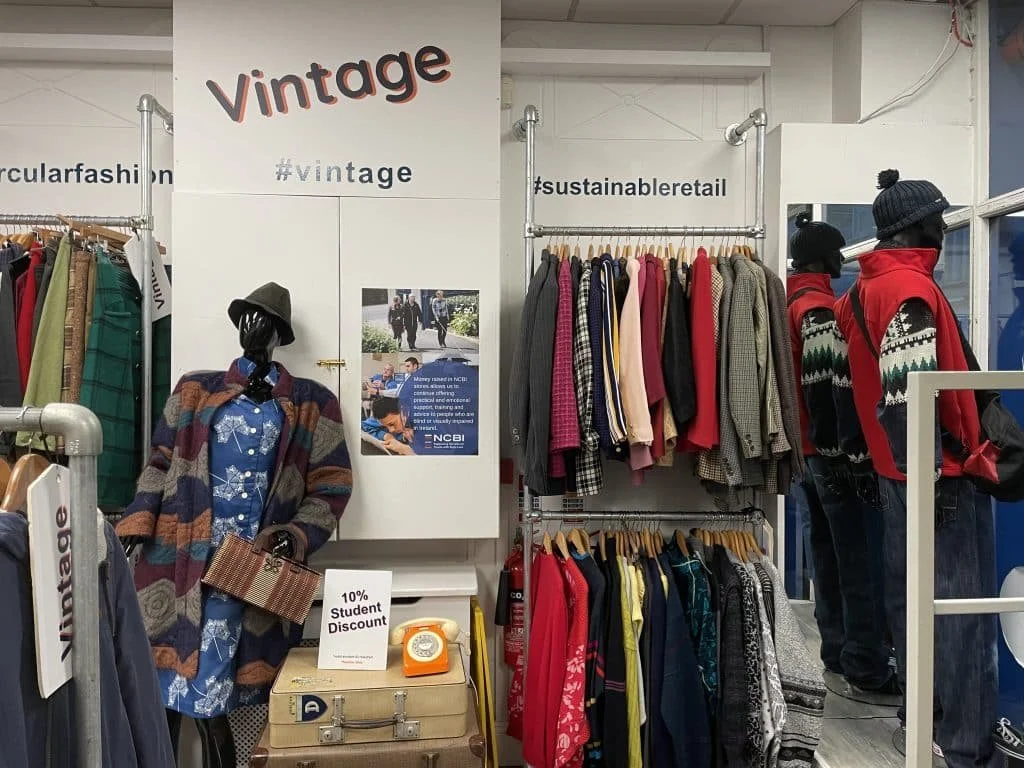
Second hand vintage fashion is continuing to grow.
Image via Earth.org
Why Resale Is Here to Stay
Vintage and second-hand fashion represent a shift in values. Instead of prioritizing constant newness, consumers are choosing meaning, responsibility, and individuality.
By extending the life of garments and embracing resale, shoppers are redefining what fashion means today. In an industry once driven by excess, second-hand fashion proves that style can be expressive, accessible, and sustainable, without always being new.
References and Backlinks
Earth.org. . (2023). The rise of second-hand fashion and its environmental impact.
Ellen MacArthur Foundation. (2022). Circular economy concept. https://www.ellenmacarthurfoundation.org/circular-economy-concept
Depop. (2025). Depop official site.
Poshmark. (2025). Poshmark official site.
The RealReal. (2025). The RealReal official site.
ThredUp. (2025). ThredUp official site.
Patagonia. (2025). Worn Wear program.
https://wornwear.patagonia.com/
Levi Strauss & Co. (2025). Levi’s SecondHand program.
https://www.levi.com/US/en_US/features/secondhand
TikTok. (2025). TikTok official site.
Instagram. (2025). Instagram official site.
Image by Alexandra Oakland via Canva
